The NHS has set out an ambitious vision for the next decade. Billions of pounds are earmarked for digital services, shared data systems and more joined-up care, with a clear aim to intervene earlier, reduce pressure on hospitals and give patients greater control over their health. Technology sits at the heart of this pivot, whether that's streamlining processes for staff on the frontline of care or enabling patients to manage appointments, prescriptions and records in one place.
Yet there are practical constraints that too often get overlooked. Many digital services depend on reliable mobile connectivity inside NHS buildings that, in many cases, simply doesn't exist. Hospitals are notorious signal ‘not spots'. Thick concrete walls and sprawling estates mean 4G/5G struggles to reach wards, clinics and basements. Without a dedicated in-building system, even the strongest outdoor networks from providers such as EE, Virgin Media O2 and VodafoneThree, along with mobile virtual network operators such as Tesco Mobile, fall short indoors.
The cost of this shortfall in coverage is significant. Research shows poor indoor mobile connectivity is draining £3.79bn from the UK healthcare sector each year. The impact is felt daily with clinicians unable to access electronic patient records when they need them, fragmented communication between teams, stalled workflows and avoidable delays. Missed calls and frozen data sessions are not just inconvenient, they interrupt care and, in some circumstances, compromise patient safety.
This is not an intractable problem. Much of that lost value can be recovered. When hospitals have reliable, multi-operator mobile coverage throughout their buildings, staff can work more efficiently and respond faster. Updates can be made at the bedside rather than at a fixed terminal. Legacy tools such as pagers can be replaced with real-time platforms like Alertive.
The same research also shows 62% of healthcare executives and digital leaders identified improved indoor mobile coverage as a major opportunity to raise productivity, more than any other single intervention. It enables staff to focus on value-added activities, like spending more time with patients, rather than having to locate colleagues, search for signal, or take more time than necessary on administrative tasks.
Mobile connectivity has moved beyond being a ‘nice to have'. It's now part of the NHS's core digital infrastructure. Hospital Wi-Fi, while essential, is often congested and unable to meet demand. Mobile coverage provides critical resilience. Without both layers working together, hospitals face genuine business continuity risks. When connectivity fails, digital systems falter, paper processes resurface, communication slows, waiting times grow and vital information can be missed.
Patients and their families experience the consequences too. Someone waiting for results may be unable to access the NHS App. Relatives trying to contact a patient in A&E may struggle to get through. Nurses, instead of focusing on care, are sent on signal-hunting missions just to update a record. These moments might seem minor in isolation, but together they create stress and delays which make the care experience fall short of the NHS's digital promise. At a time when social connection is known to influence recovery, unreliable communication carries a real human cost.
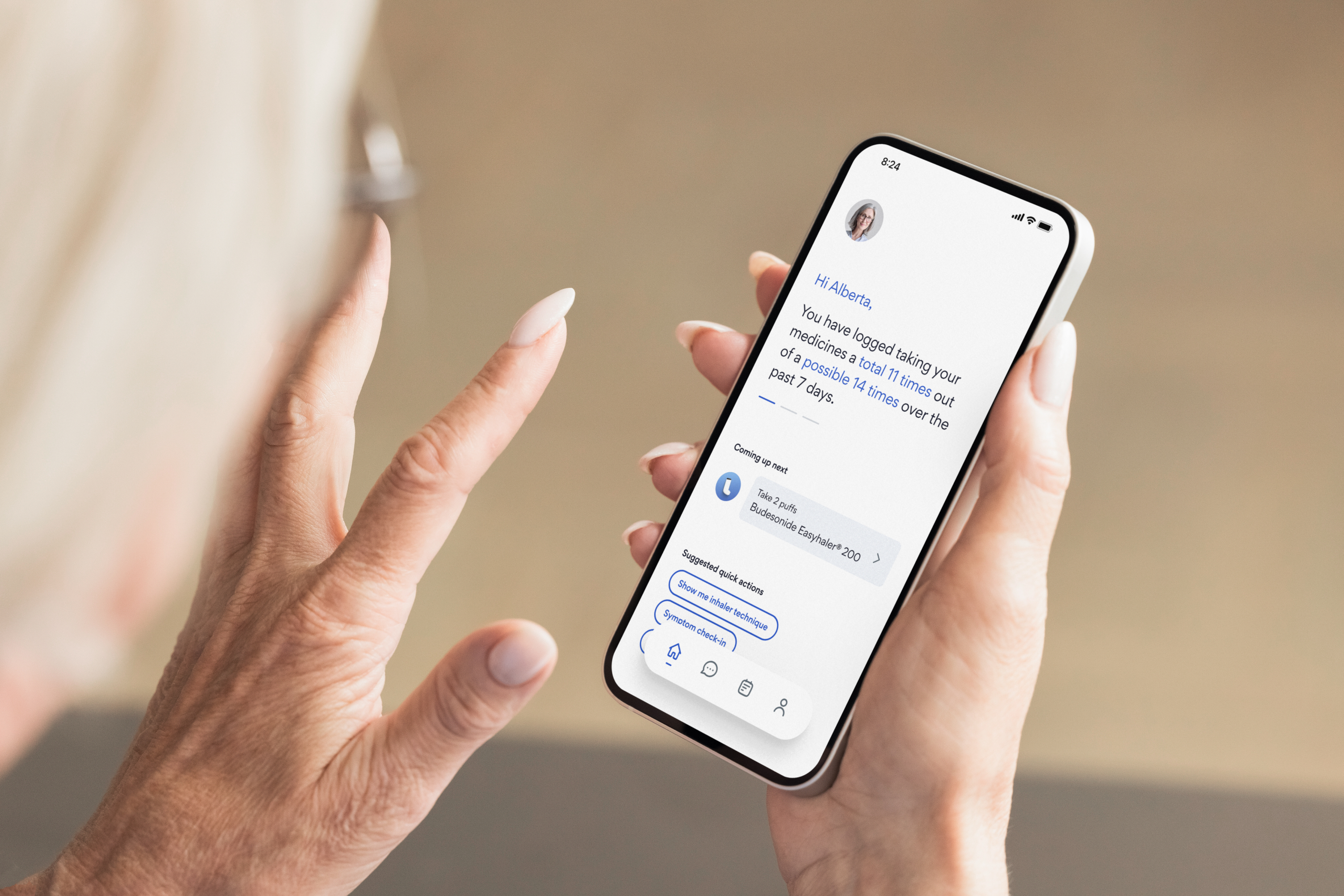
This challenge becomes even more pressing as the NHS moves towards mobile-first care. The 10-Year Plan points towards integrated records, remote monitoring and app-based services becoming standard. By 2028, the NHS App is expected to function as the primary digital gateway, a ‘doctor in your pocket'. With more than 34m users already and a growing ecosystem of digital health tools, demand is only increasing. Research shows 65% of senior healthcare leaders believe technologies such as remote monitoring are driving the need for stronger indoor mobile connectivity.
None of this works without consistent signal across the estate. Digital front doors are meaningless if they cannot be reached. The good news is that hospitals do not need wholesale rebuilding to close this gap. Targeted, room-by-room or department-level solutions can deliver coverage even in the most challenging environments, supporting clinicians, estates teams, porters, patients and visitors alike.
The switch-off of the Public Switched Telephone Network in January 2027 will accelerate the NHS's move away from copper-based telephony. With the NHS App set to take on an even greater role by 2028, delays in upgrading mobile infrastructure risk creating knock-on effects across the system. Decisions made now will determine whether new digital tools genuinely function in practice or remain underused due to basic connectivity constraints.
If the NHS is to realise its digital ambitions, it must start with the fundamentals. Because without reliable mobile coverage, even the most advanced technology risks staying just out of reach.