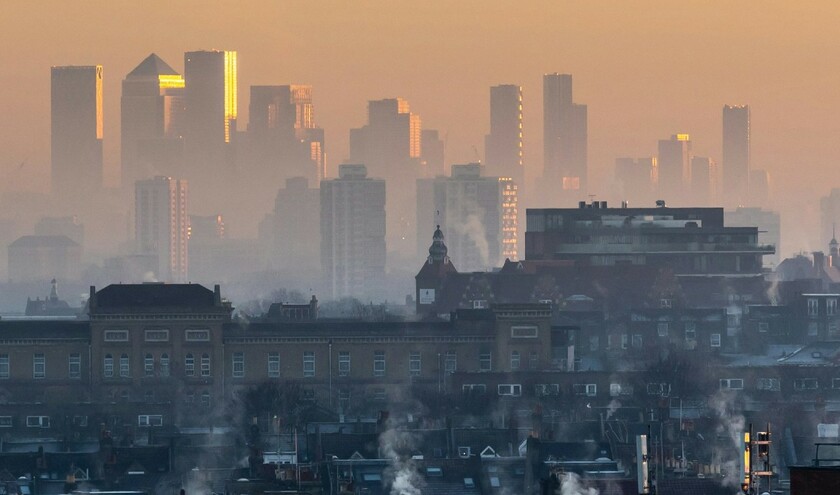
The expert-led review – working with respiratory experts, the charity sector, central government and local authorities - makes a series of recommendations aimed at informing the public about the link between poor air quality and ill health.
It found the UK has world-class tools that monitor poor air quality, but that there is a need to better explain why air pollution is a hazard and who is most at risk from harm.
The review also notes the need to improve teaching for medical professionals on air pollution, which will filter down to their patients, as well as for a public awareness campaign and wider engagement with community groups and schools to embed air quality in everyday conversation.
The Government has already started work on several of its recommendations, including:
- Working with the Royal Medical Colleges and DHSC to improve the teaching of air quality to medical professionals
- Developing educational resources to help community groups raise public awareness
- Updating the Daily Air Quality Index with the latest health advice on asthma management and exercise
- Developing and launching a new air quality alert system so people can get up-to-date advice via text or email
- Updating and improving air quality websites and moving them across to gov.uk to ensure a wider audience.
Air quality minister Emma Hardy said: ‘Air pollution is damaging to people's health and the environment. Its impacts are felt more by low-income communities, making health and social inequalities worse.
‘Significant progress has been made to reduce emissions from transport and energy production, and we will continue to take the action needed to ensure everyone has cleaner air to breathe.'
Dame Jenny Harries, UK Health Security Agency chief executive, said: ‘Despite improvements over previous decades, air pollution remains one of the largest environmental risks to public health in the UK, which is why it is vital that the provision of air quality information to the public continues to improve.
‘As this report highlights, the UK has significant technical capabilities for providing air quality information to the public, but these capabilities are not always being utilised to their fullest potential. Building on existing systems will improve public awareness of the major sources of air pollution and their harmful effects, helping to inform actions to reduce personal contribution and exposure.'