The new community service offers patients access to community-based specialists, including dietitians, physiotherapists, and pharmacists, working alongside psychologists, nurses, and haematology teams to deliver a holistic approach to care.
The initiative builds on recommendations from the Sickle Cell Society's No One's Listening report, which highlighted the challenges and inequalities faced by sickle cell patients as they navigate the healthcare system.
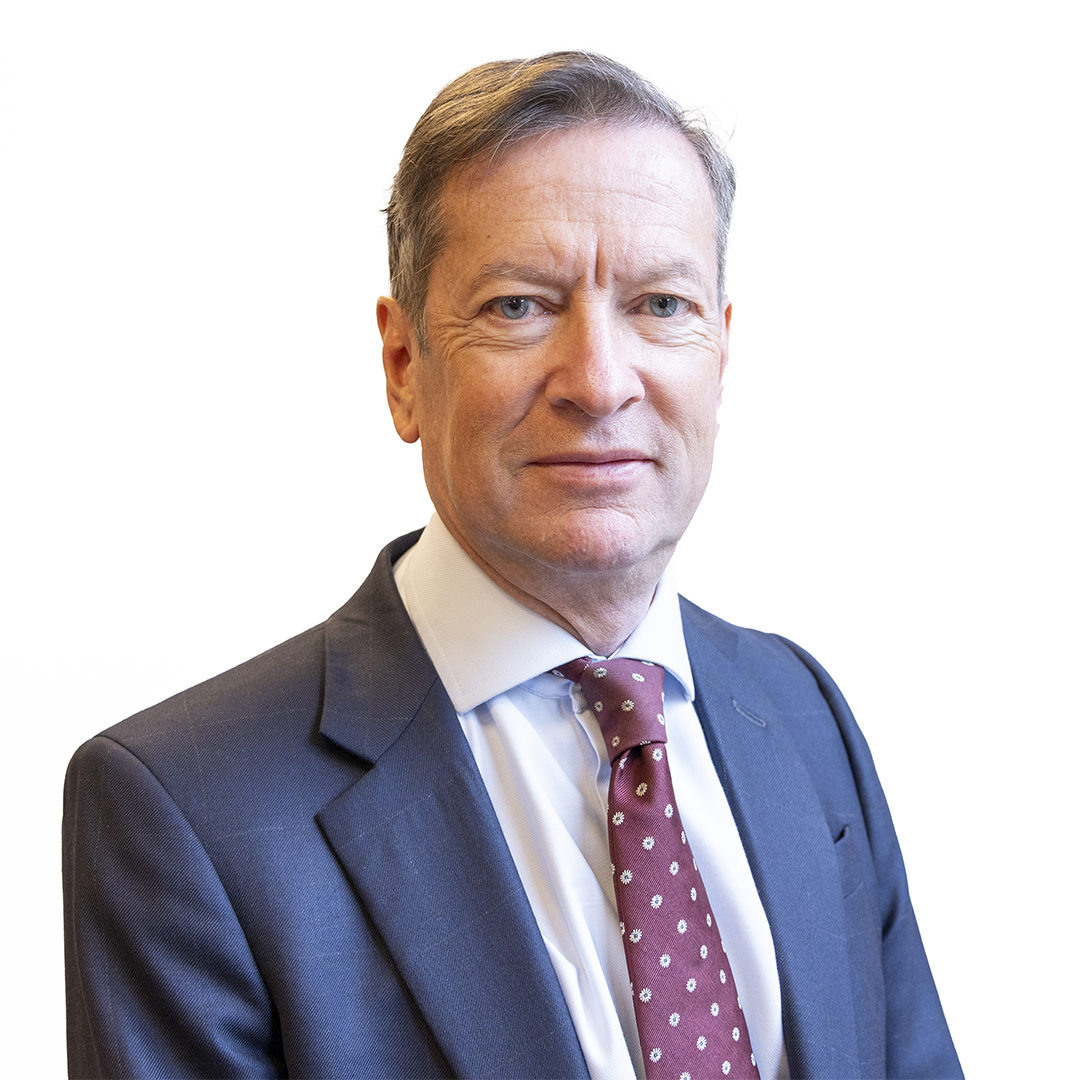
Andrew Bland, chief executive for the South East London ICB, said: ‘Given south east London has the highest numbers of people living with sickle cell in the country, I am delighted we are taking bold action to improve care for our population.
'I am thankful to our partners across the system who are collaborating to develop and deliver this new service that will provide more holistic and personalised care, improving the lives of our patients living with sickle cell in south east London.'
Developed in collaboration with Guy's and St Thomas' NHS Foundation Trust, Bromley Healthcare, Oxleas NHS Foundation Trust, Evelina London Children's Hospital, South East Haemoglobinopathy Coordinating Centre (SELSE HCC) and the South London Office of Specialised Services.
Dr Sara Stuart Smith, consultant haematologist at King's College Hospital and chair of the South East London and SELSE HCC, said: ‘Our south east London enhanced community multidisciplinary team is in place to provide holistic support for adults, young people and children living with sickle cell disorders, including with dietary, benefits and pharmacy advice, physiotherapy, group psychological support and community nursing.'
The service also provides expert welfare and benefits advice through the community providers and Southwark Law Centre.
Young people aged 10–24 can also benefit from a peer mentoring programme led by the Sickle Cell Society. This pairs them with mentors who have lived experience of managing the condition, offering guidance and support.
People living with sickle cell disorder will be able to access this service at three different locations across south east London, with remote, telephone and home visits available depending on individual circumstances.
Ishbel Collison, the long-term conditions service manger from Oxleas NHS Foundation Trust, said: ‘We recognise that there is more that could be offered to support our local Bexley and Greenwich residents with sickle cell and we are committed to ensuring this team will make a real difference by providing appropriate, tailored and holistic care closer to home.'