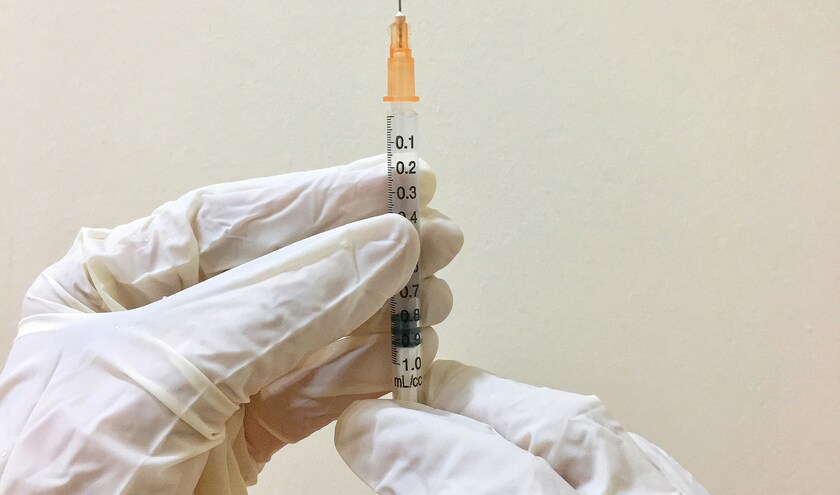
The move follows 3,600 suspected cases in 2024 and over 1,000 in 2025 and reflects vaccination rates falling below the 95% threshold to achieve herd immunity.
Cllr Dr Wendy Taylor, chair of the Local Government Association's Health and Wellbeing Committee, said: ‘We are concerned by the confirmation from the World Health Organisation that the UK has lost its measles elimination status. Measles is highly infectious, and this underlines how important it is to maintain high vaccination rates to keep children and communities safe.'
Taylor said councils were working with the NHS, GP surgeries, schools, early years settings and community partners to support the uptake of the MMRV vaccine.
Dr Bharat Pankhania, senior clinical lecturer in public health medicine at the University of Exeter Medical School, said it was ‘extremely concerning' the UK ‘had pockets of low or no vaccine uptake'.
Dr Pankhania called for easier GP access and more health visitors to immunise babies in their homes as well as addressing misinformation about vaccines.
Dr Vanessa Saliba, consultant epidemiologist at UKHSA, said: ‘Infections can return quickly when childhood vaccine uptake falls; measles elimination is only possible if all eligible children receive two MMRV doses before school. Older children and adults who missed vaccination must be caught up. The NHS is making vaccination easier, including offering the second MMRV dose earlier at a new 18-month appointment to boost uptake and support elimination goals.'
A Department of Health and Social Care spokesperson said: ‘Measles is a serious and highly contagious disease that can have devastating consequences, particularly for young children.
‘We urge any parent whose child has not yet been vaccinated to come forward now and book an appointment with their GP. Vaccination is the single best protection against measles, and it's never too late to catch up on missed doses.
‘We are working with the NHS, UKHSA and local authorities to drive up vaccination rates and regain our measles-free status. Every child deserves protection from preventable diseases.'