Researchers from the University of Oxford used data from more than 500,000 women to investigate the link between 97 dietary products and nutrients and bowel cancer risk over an average time of 16 years.
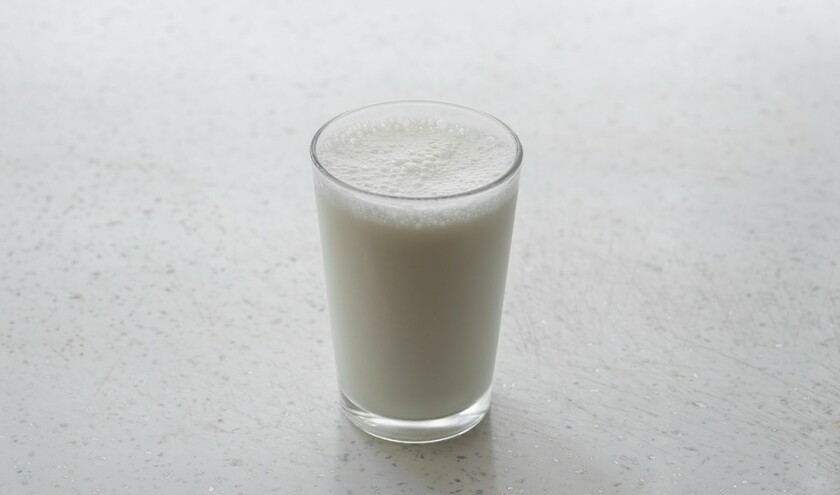
They found that consuming foods rich in calcium, like milk and yoghurt, was linked to a lower risk of developing bowel cancer. This was also true for non-dairy calcium sources, like dark green leafy vegetables.
Dr Keren Papier, lead researcher of the study, said: ‘We have some idea on why calcium has this effect. It's suggested that calcium might protect against bowel cancer by binding to bile acids and free fatty acids to form a type of a harmless "soap", which stops them from damaging the lining of our gut.'
This "soap" effect helps these bile and fatty acids to be swept out of the gut like a "spring clean" so they can't build up and so are less likely to cause damage.
The researchers said more research is needed into whether calcium supplements and calcium-fortified foods have the same effect on reducing bowel cancer risk.
In addition, the study confirms the clear link between alcohol consumption and higher bowel cancer risk. Drinking an additional 20g of alcohol a day, equivalent to a large glass of wine, was found to increase bowel cancer risk by 15%.
Papier and her team want to look further into calcium's role in bowel cancer prevention in different populations with diverse diets, to understand how it can be best utilised to help prevent the disease.
The research has been published in Nature Communications.