The action plan, backed by over £170m, tackles the stigma that remains a barrier for too many people - fear of judgement and discrimination means some people avoid getting tested, leaving infections undiagnosed and untreated.
Around 5,000 people are no longer in care, with reasons including mental health issues, addiction, poverty or fear of judgement.
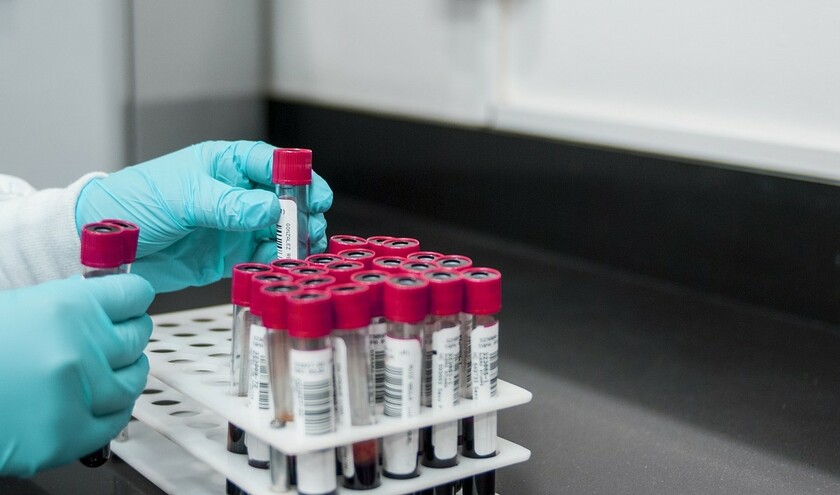
The action plan is also continuing funding for testing in A&E, meaning if you're having a routine blood test, you'll automatically be tested for HIV - unless you choose not to.
This testing programme is being delivered across areas with the highest rates, including London and Manchester, reaching thousands of people with undiagnosed infections who might never otherwise visit a sexual health clinic.
Communities most affected by HIV will also benefit from a national HIV prevention programme to improve awareness about safer sex, testing and treatment.
The prevention programme will work directly with those most at risk, providing tailored support and targeted testing to break down barriers and ensure no one is left behind.
Hospital staff will also receive anti-stigma training, so patients can access care without fear of being judged for their HIV status.
In addition, a £5m trial will see home HIV testing kits ordered at the touch of a button through the NHS App.
The trial will allow at-risk patients to order home HIV tests seamlessly, receive results securely, and contact their GP or sexual health clinics - all from their phone.
The Action Plan comes as new UKHSA analysis shows HIV testing in England must adapt to reach the groups that need it most. The report reveals that while 95% of people with HIV are diagnosed, around 4,700 people remain undiagnosed, with additional investments in emergency department testing alone insufficient to reach all those in need.
Gaps remain in testing in lower prevalence areas and general practice settings that reach out to those who need prompt testing, including ethnic minority heterosexual populations and people aged 50 years and over.
Prime Minister, Sir Keir Starmer, said: ‘I promised to end HIV transmissions in England by 2030 and we are making this a reality thanks to our action plan, with a groundbreaking new HIV prevention programme, at home tests made available through the NHS App, and delivering opt out testing in emergency departments.
‘My message is simple – no one should ever have to fight HIV alone. Together, we will end the cycle of transmission, improve treatment and better protect people.'
Health and social care secretary, Wes Streeting, said: ‘HIV treatment has been transformed. Today, people living with HIV can enjoy full, healthy lives - and can't pass the virus on to others. That's remarkable progress.
‘But we can go further. Ending new HIV transmissions by 2030 is ambitious - and this government is determined to make it happen.
‘Our national re-engagement programme, a truly innovative and agile approach, targets the epidemic where it's growing and leaving no one behind. We'll bring people into life-saving care and find infections early, when treatment works best, so everyone can live the full, healthy life they deserve.'
Professor Susan Hopkins, chief executive of the UKHSA, said: ‘We're making progress – 95% of people living with HIV now know they have the virus. But around 4,700 people remain undiagnosed, including one in three in Black African communities and higher rates of late diagnosis in older age groups.
‘People need testing that meets them where they are, in ways that feel safe and accessible. We need to make starting PrEP straightforward for anyone who wants it, with particular focus on heterosexual and Black communities who are being failed by current disparities. And when someone is diagnosed, they should get consistent, respectful support that helps them stay on treatment and stay engaged in care.'
Dr Claire Fuller, NHS England's national medical director, said: ‘The NHS is fully behind this Action Plan, which gives us the tools to diagnose people earlier, reconnect those who are not currently receiving care, and ensure every person living with HIV receives support without stigma.
‘Alongside opt-out HIV testing in A&E, we are launching a new £5 million digital trial so people can order home testing kits through the NHS App – making it easier and more discreet than ever to get checked.
‘With early diagnosis and the right treatment, people with HIV can live long, healthy lives and cannot pass the virus on and this plan brings us a major step closer to ending new HIV transmissions in England by 2030.'
Reaction
Gillian McLauchlan, lead for sexual health for the Association of Directors of Public Health, said: ‘This new HIV Action Plan is particularly welcome because it recognises that only through true collaboration between local authority public health teams, the NHS, and the voluntary and community sector will the UK end HIV transmissions.
‘Sustained and adequate investment is also vital – not just in the fight against HIV but to ensure that everyone can access high-quality sexual and reproductive health services at the right time for them.'
James Woolgar, chair of the English HIV and Sexual Health Commissioners' Group, added: ‘The plan's promise of continued investment in emergency department testing, the new national re-engagement in care plan, anti-stigma training and education are all very welcome. We of course also need a sustained commitment to the provision of PrEP and other prevention programmes.
‘I am extremely proud of the hard work and progress that local government has made in tackling this issue and, by strengthening collaboration, we can ensure evidence-based interventions reach communities more effectively, reduce inequalities, and tackle stigma. Only then can we reach our collective goal of zero new transmissions by 2030, and support those living with HIV to not only survive, but also thrive.
Dr Zara Haider, President of the College of Sexual and Reproductive Healthcare, said: ‘We warmly welcome the publication of the HIV Action Plan, especially as it places women firmly within its focus by recognising the unique barriers they face in accessing HIV services. Measures such as funding for formula milk and sterilising equipment for women living with HIV, expanded opt-out testing, and tailored prevention programmes will directly support women who are too often forgotten.
‘With investment in home testing kits, a national HIV prevention programme, and plans to tackle the discrimination that still stops too many from seeking care, this Plan has real potential to improve HIV care in England by ensuring women are not left behind.'