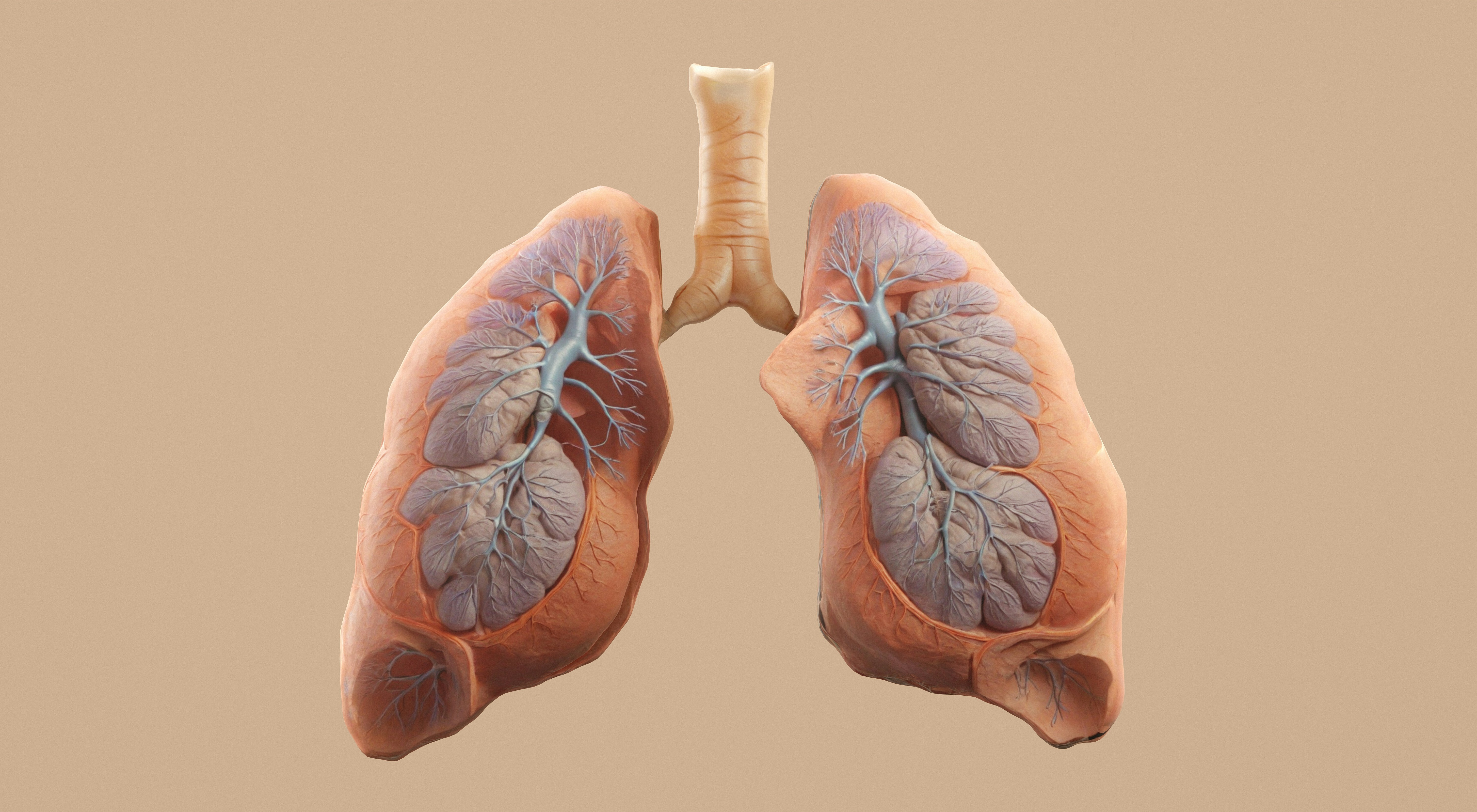
Under new guidance, the National Institute for Health and Care Excellence (Nice) estimates the technology could make four in five donated lungs that are currently unused suitable for transplantation.
The draft guidance, published on Tuesday, recommends the technology - known as the XVIVO perfusion system - is made available across NHS transplant centres for four years while further evidence is gathered on its clinical benefits and cost.
The machine preserves lungs for up to six hours by warming them to body temperature, circulating a fluid that mimics blood plasma and ventilating them.
During that time, transplant teams can assess how well the lungs are functioning, treat infection, remove excess fluid and reopen collapsed areas before deciding whether they're suitable.
Nice says the technology has already been trialled at three adult transplant centres but has not been previously recommended for routine use.
Dr Anastasia Chalkidou, Nice's healthtech programme director, said too many donated lungs were currently going unused.
'Every donated lung is a precious gift, and right now too many of them never reach a patient who needs them,' she said.
'This technology has the potential to change that, giving transplant teams the time and information they need to make the most of organs that would otherwise go unused.'
She added that the proposals formed part of wider efforts to improve access to transplantation, 'so that where a patient is treated no longer determines whether they can benefit from a transplant'.
The latest NHS Blood and Transplant figures show 170 people across the UK, including six children, are waiting for a lung transplant.
Most adults wait around a year for a suitable organ, although some wait more than two years. Among patients waiting for an urgent transplant, up to one in five die within a year before a suitable donor lung becomes available.
NHS Blood and Transplant says only 23% of donated lungs are currently transplanted. While some organs are declined because of concerns about their condition, others are not used because of staffing shortages or limited operating theatre capacity.
Jonathan Blades, head of policy at Asthma + Lung UK, welcomed the draft guidance. He said: 'Lung transplant rates in the UK remain lower than in many other developed countries, while respiratory health outcomes remain the worst in Europe. Renewed political and research focus is needed to transform lung health in the UK, and this new technology marks an important step towards that ambition.
'We look forward to seeing the results of this trial, which could give more people with serious lung conditions more precious time with their loved ones. It could also reduce the number of donated lungs that currently go to waste if they are unsuitable for transplantation.'