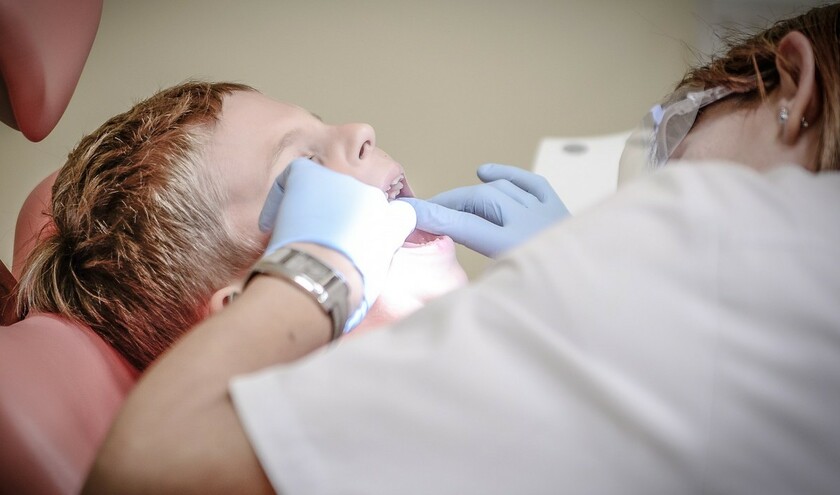
The report by Child of the North and Anne Longfield's Centre for Young Lives think tank makes a series of proposals to tackle the children's oral health crisis.
Titled "An evidence-based plan for improving children's oral health with and through educational settings", the report calls on the new government to develop a national child oral health strategy that would be overseen by a national board including representatives from government departments, local government, dental organisations and specialist societies, universities, citizen representatives, and charities.
This strategy would include policies to reduce sugar consumption, such as expanding the Soft Drinks Industry Levy to include other sugar-sweetened beverages. It would also apply restrictions on food marketing, advertising and promotions as well as ban the sale of caffeinated energy drinks to under 16-year-olds. Exposure to fluoride should also be optimised through community water fluoridation and with more targeted programmes.
The report sets out proposals to maximise the impact of early years and education-based interventions, co-designed by health visitors, nurseries, and schools, and it calls for dental services to be re-orientated towards prevention of dental diseases among children and young people.
Achieving this reorientation will require working with the dental profession, dental system reform, and innovative commissioning – led by integrated care boards (ICBs) – to provide opportunities to prioritise improving dental services for children. In addition, better mechanisms for allocation and distribution of funding based on need alongside a renewed emphasis on clinical prevention is important.
Anne Longfield, Executive Chair of the Centre for Young Lives, said the Government's proposals for a programme of supervised teeth-brushing in schools is a 'positive step forward', as is its overall focus on boosting children's wellbeing.
She added: ‘We urge ministers to be radical, go much further, and ignore any accusations of a ‘nanny state'. We need to take evidence-based action and to develop a national plan to tackle a rotten teeth crisis affecting millions of our children.'
Paula Waterhouse, President of the British Society of Paediatric Dentistry, said action is needed now to address the issue.
‘Our children's health depends on it and it's everybody's business – parents, dental and medical teams, health visitors, industry, education colleagues, and policy makers. We all have a part to play,' Waterhouse added.
Responding to the report, Cllr David Fothergill, Chairman of the Local Government Association's Community Wellbeing Board, said: ‘We need to do all we can to reduce tooth decay in children and we support calls for the introduction of a national child oral health strategy.
'These findings reinforce our call on the Government to invest in council-run oral health improvement programmes such as supervised toothbrushing which can help introduce a good oral hygiene regime and prevent more serious problems from developing in the future.'